

How to Build a Digital Marketing Portfolio: A Guide for Aspiring Marketers
A well-crafted digital marketing portfolio is your passport to securing opportunities, whether you’re seeking a new job, freelancing clients, or career advancement. As a digital marketer with hands-on experience in the field, I’ve learned that a portfolio isn’t just a collection of projects, it reflects your skills, creativity, and impact. In this guide, I’ll walk you through how to build a compelling digital marketing portfolio that stands out.
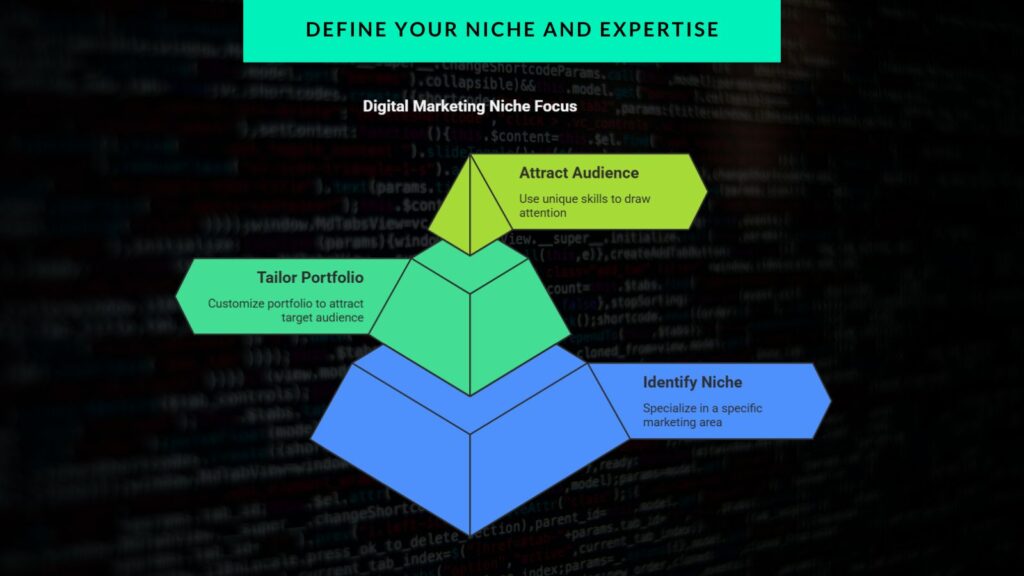
1. Define Your Niche and Expertise
Digital marketing is a vast field with multiple domains, including:
-
- Search Engine Optimization (SEO)
-
- Social Media Marketing (SMM)
-
- Content Marketing
-
- Email Marketing
-
- Pay-Per-Click Advertising (PPC)
-
- Analytics & Reporting
Tip: Identify which areas you want to showcase. If you are proficient in multiple domains, highlight diverse but cohesive projects that demonstrate versatility.
2. Highlight Real-World Projects
Employers and clients value practical application over theory. Include real-world projects where you made an impact, such as:
-
- Social Media Campaigns: Share how you increased engagement, followers, or conversions.
-
- SEO Case Studies: Show how you improved organic rankings or traffic.
-
- Email Marketing Campaigns: Highlight open rates, click-through rates (CTR), and lead generation.
-
- Paid Advertising: Showcase ROI, CPC reduction, or lead quality improvement.
Pro Tip: If you’re just starting and lack client projects, create mock campaigns or work on personal projects to demonstrate your capabilities.

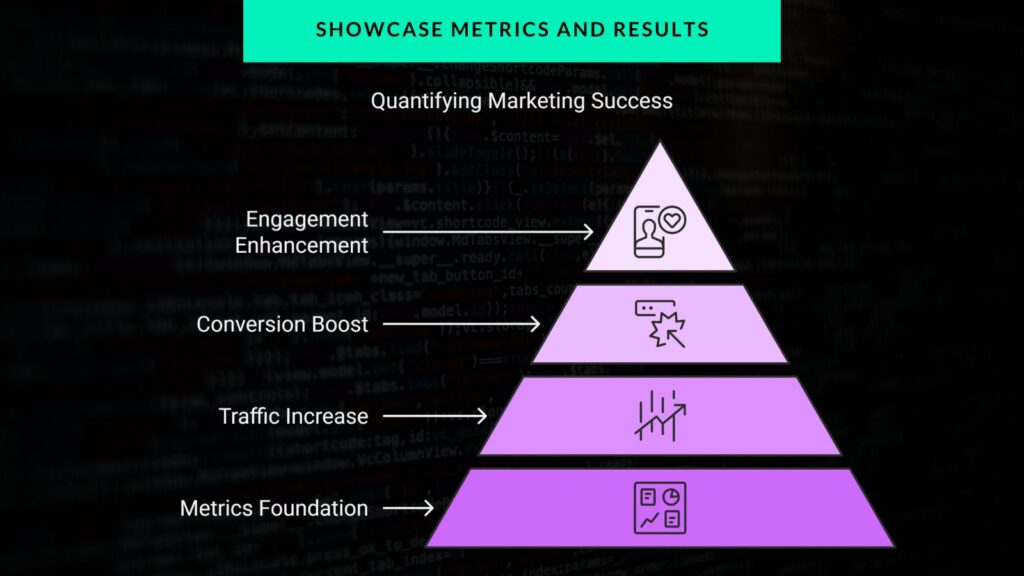
3. Showcase Metrics and Results
Digital marketing is results-driven. Don’t just say you managed a campaign — show how it performed. Include key performance indicators (KPIs) such as:
-
- Increase in Website Traffic
-
- Engagement Rates (Likes, Shares, Comments)
-
- Conversion Rates
-
- Revenue Generated
-
- Cost per Acquisition (CPA)
Example: “Increased organic traffic by 45% within 3 months by optimizing blog content for SEO.”
4. Create Case Studies for Major Projects
A detailed case study can add depth to your portfolio. Follow this structure:
-
- Objective: Define the goal.
-
- Strategy: Explain your approach.
-
- Execution: Detail the tools, channels, and tactics used.
-
- Outcome: Highlight measurable results with before-and-after data.
-
- Learnings: Share insights or lessons from the campaign.
This framework demonstrates your problem-solving ability and strategic thinking.

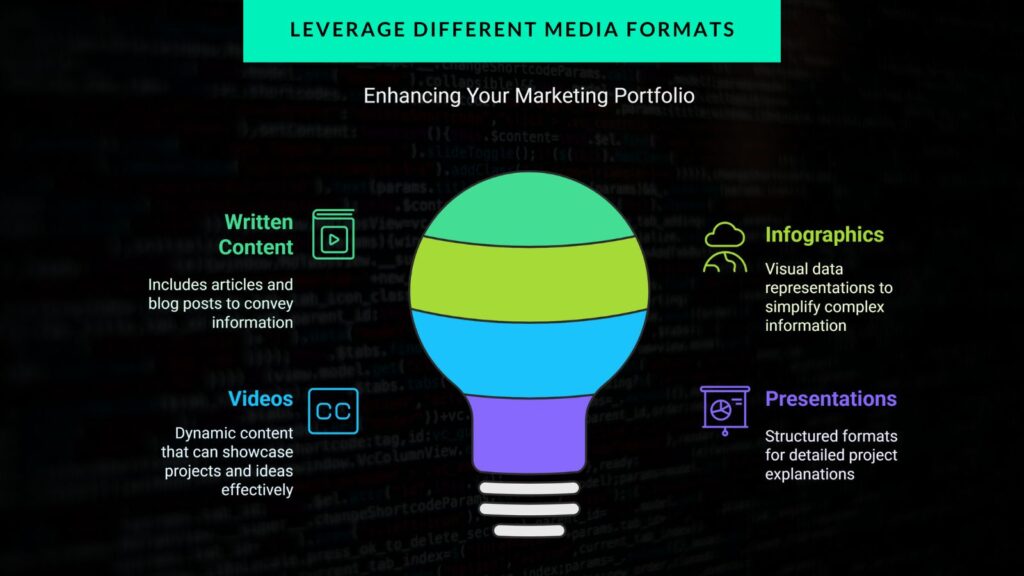
5. Leverage Different Media & Formats
Make your portfolio visually appealing by including:
-
- Screenshots of Ads, Websites, or Social Posts
-
- Video Walkthroughs or Testimonials
-
- Infographics for Campaign Insights
-
- Links to Live Projects or Landing Pages
Platform Suggestions:
-
- Behance or Dribbble for design-heavy portfolios.
-
- LinkedIn or Personal Websites for versatile projects.
-
- Notion or Google Sites for a minimalist approach.
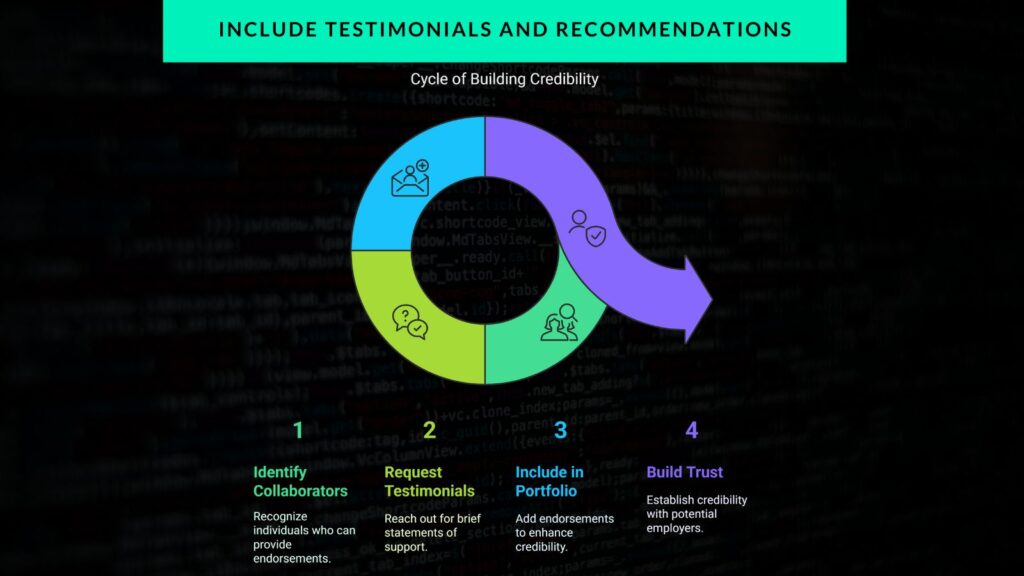
6. Include Testimonials and Recommendations
Endorsements from clients, supervisors, or colleagues add credibility to your work. Request short testimonials focusing on:
-
- Work ethic and professionalism
-
- Problem-solving ability
-
- Team collaboration
-
- Campaign success
Tip: Highlight testimonials with profile pictures and LinkedIn links (if possible) for authenticity.
7. Keep It Updated
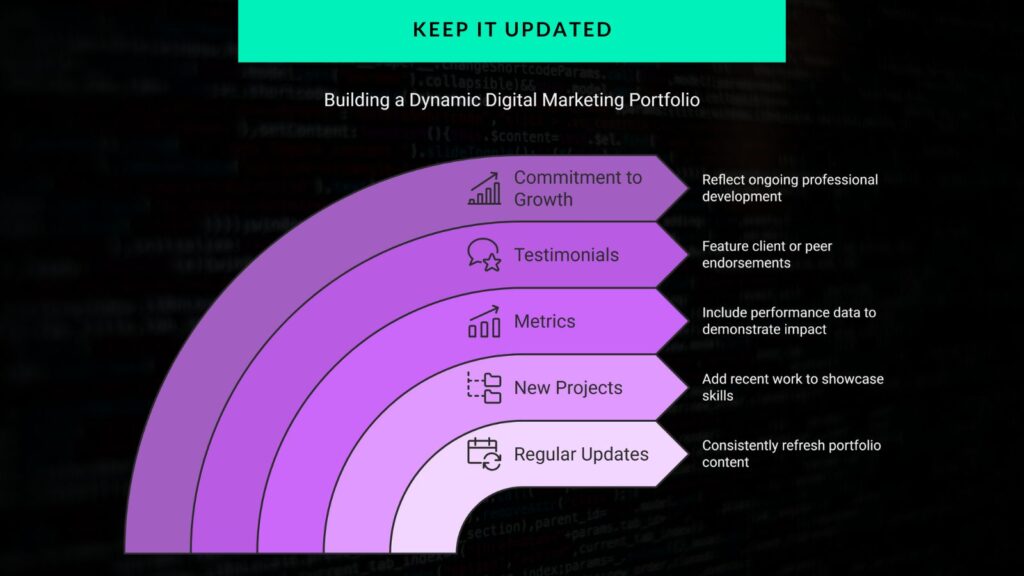
Digital marketing evolves rapidly. Regularly update your portfolio with:
-
- Recent projects and campaigns
-
- New certifications or skills (Google Ads, HubSpot, etc.)
-
- Latest metrics and performance results
An outdated portfolio may give the impression that you’re inactive or out of touch with the latest trends.
8. Create a Personal Brand
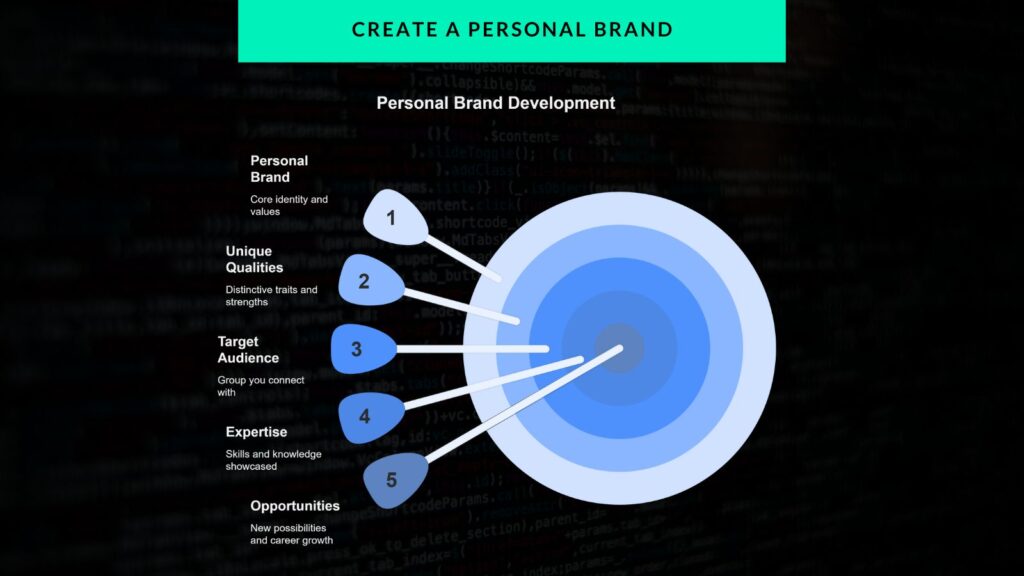
Your portfolio is an extension of your brand. Consider these tips:
-
- Consistent Design: Use cohesive colors, fonts, and layouts.
-
- Clear Navigation: Make it easy for viewers to explore different sections.
-
- Professional Bio: Include a short “About Me” section with your expertise and career journey.
Pro Tip: Add a blog section to demonstrate thought leadership in your niche.
9. Use the Right Platforms
Where you host your portfolio matters. Here are some options:
-
- Personal Website: Full control over design and SEO.
-
- LinkedIn: Ideal for networking and showcasing work.
-
- Medium: Great for publishing in-depth case studies.
-
- Clippings.me or Contently: Perfect for content writers.
Ensure your portfolio is mobile-friendly — recruiters often browse on the go.
10. Optimize for SEO and Visibility
Your portfolio should be discoverable. Optimize it by:
-
- Using relevant keywords in titles and descriptions.
-
- Adding alt text to images.
-
- Creating a professional LinkedIn profile linking to your portfolio.
-
- Sharing work on professional communities like Reddit, Twitter, or Marketing Forums.
Conclusion
Building a digital marketing portfolio is telling your professional story. Showcase your ability to drive results, solve problems, and stay ahead of industry trends. Whether you’re a seasoned marketer or a beginner, start small and evolve your portfolio over time.
If you consistently document your journey and share impactful work, your portfolio will speak for itself when opportunities arise.
Start today — your next big opportunity might be just a click away.
About the Author:
As a professional digital marketer, I’ve learned that standing out in this dynamic industry requires more than skills — it demands proof of impact. Through years of experience in crafting campaigns and driving results, I’m passionate about helping aspiring marketers showcase their potential. Connect with me to learn more about digital marketing strategies and career growth.